• Skip to primary navigation
  • Skip to main content
  • Skip to primary sidebar
  • Skip to footer
  • Home
  • The words
  • The writer
  • The work

Beauty on the Backroads

Stories of grace for life's unexpected turns

Home

First Friday Five {November}

November 4, 2016

Once a month, I’m taking time to tell you five things I’ve been loving in the past 30 days or so. You can catch October’s list here.

And now, November!
november

  1. Soup. Chilly temperatures, finally, mean that soup is on the menu at least once a week, but usually more. I love all kinds of soups and making all kinds of soups. There’s something satisfying about stirring together a bunch of ingredients and slurping the warmth straight out of the bowl. Pair with crackers and bread. Heaven. Do you have any favorite soup recipes? I have a hard time choosing just one!
  2. Fall foliage. In the last week or so the colors have really popped around here. I love the burst of colors as I round a bend in the road. Or the way the sun illuminates the leaves first thing in the morning. Fall temperatures took their time getting here this year, so to see the trees change colors was confirmation that the season had officially arrived. I know it’s just leading up to winter, but I mostly welcome the changes each season brings. wp-1477672775000.jpg
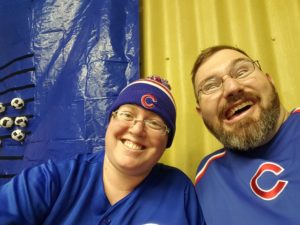
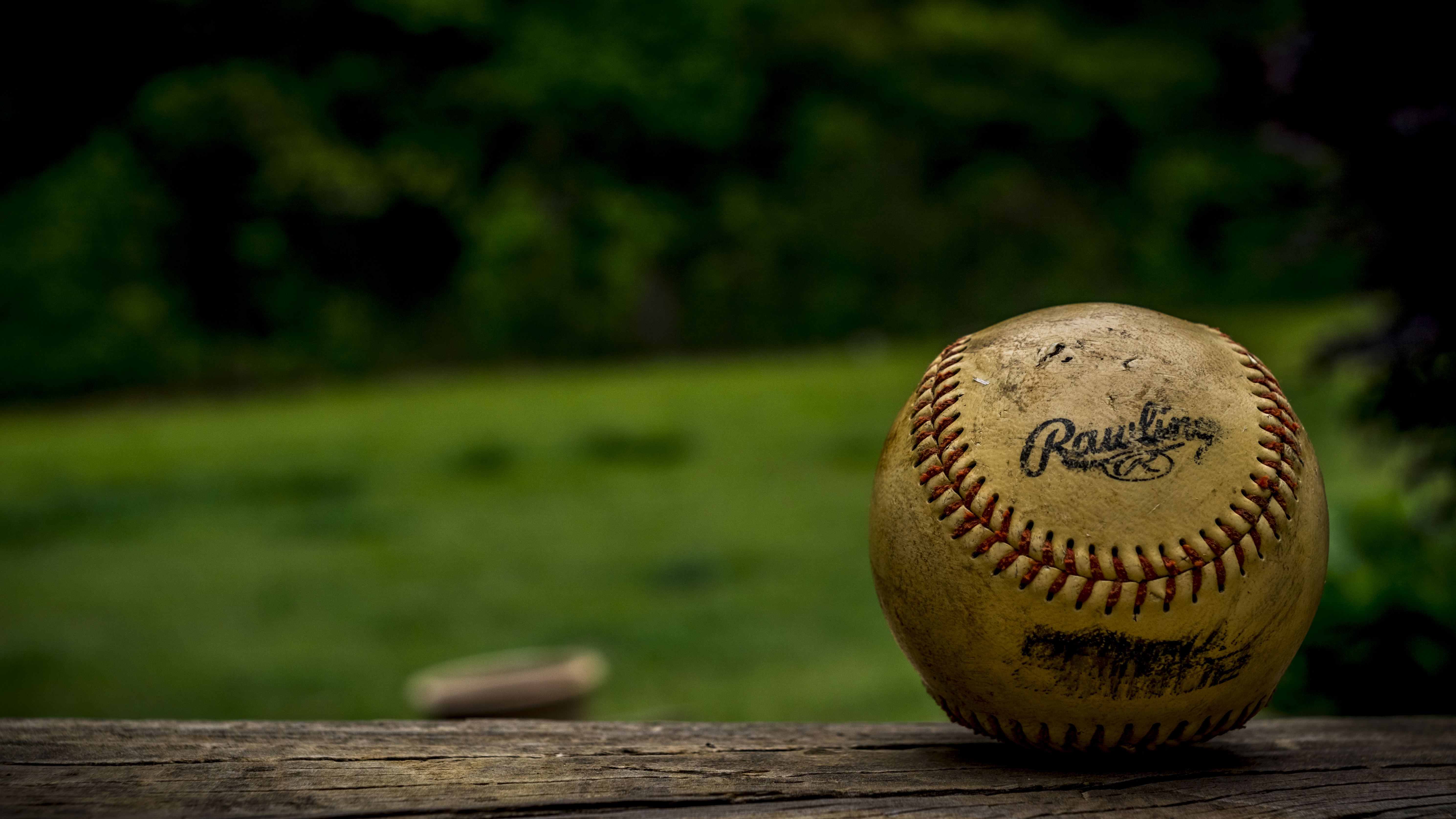
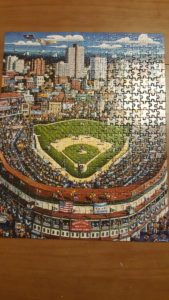
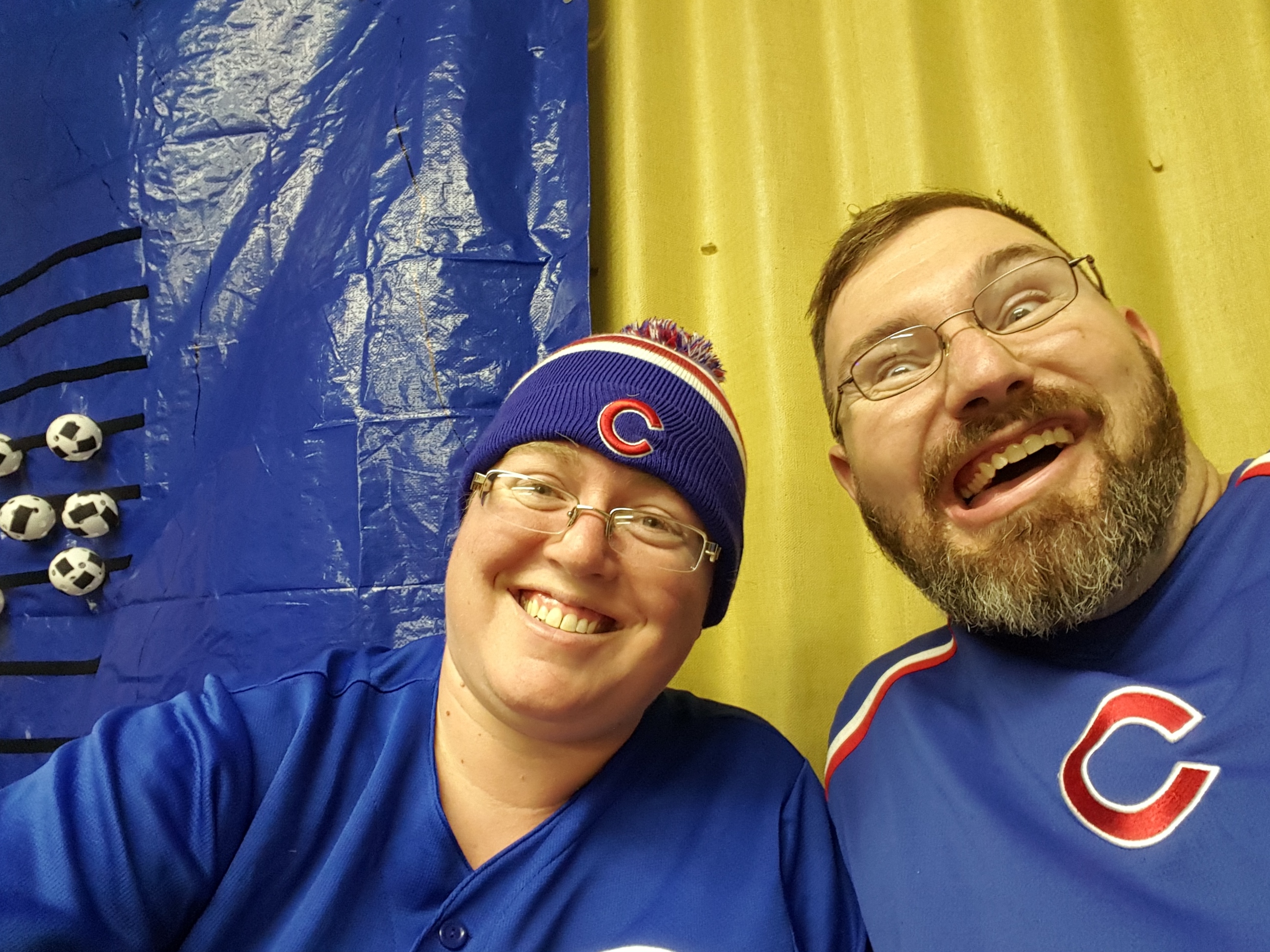
  3. Cubs baseball. We are unashamedly Cubs fans, and October gave us more baseball to watch than we’ve had in past years. We donned our favorite shirts every day they played and watched highlights with the kids when they couldn’t stay up for games on school nights. wp-1477672928274.jpgWe put together a Wrigley Field puzzle and kept it on the table throughout the playoffs. And sure enough, they won the whole darn thing! Go Cubbies!
  4. The ’80s. I was born just prior to the ’80s so there is a special place in my heart for certain aspects of this decade which seems like an eternity ago. Especially the music and movies. I stream the All 80s station on Amazon frequently, and I’ve found myself taking comfort in movies like Adventures in Babysitting, Sixteen Candles and Ferris Bueller’s Day Off lately. Thank you, Netflix. (A side note: Amazon Prime includes a streaming music service, which is one of the major benefits of Prime, in my opinion. Also this is an affiliate link, which costs you nothing but offers a small amount of compensation for me.)
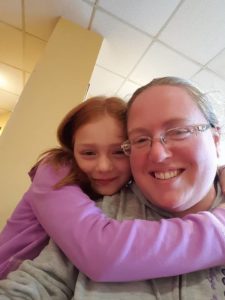
  5. My kids. I’m not super-sentimental most of the time, but lately, I’ve really been enjoying my kids. They are 8 1/2 and almost 7 and they are so much fun. Whether it’s hanging out with them on weekends, seeing what they make and do in school, or watching the Cubs with them, we just laugh and smile so much with them right now. (There is also some yelling and frustration and lots of drama, so please don’t interpret this as some kind of perfection. It’s far from it.) I’m glad when they go to school, but I look forward to their company, too.
Filed Under: 5 on Friday Tagged With: 80s music, baseball, classic 80s movies, Cubs, fall foliage, soup, world series

A ticket to another world: Review of Forest Child by Heather Day Gilbert

November 2, 2016

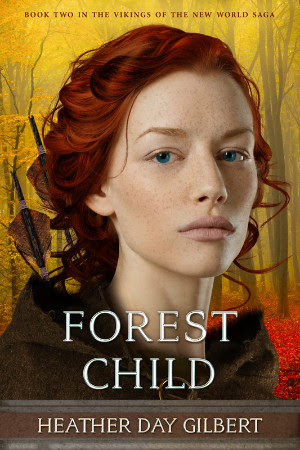
When I can’t travel the world, I pick up a book, and good fiction is a ticket to another world. Heather Day Gilbert’s series of Viking stories is guaranteed transportation to another time and place.

The first book, God’s Daughter, was mesmerizing. I had high hopes for the second one, Forest Child, and it didn’t disappoint. (Disclaimer: I received a free digital copy of the book from the author but my opinions are entirely my own.)

forest-childGilbert’s Viking stories are some of my favorite stories to read.
In-depth, flawed characters telling the stories in their own voices set me right into the middle of the action and I cannot get out. I am captive to these tales.

In this one, Freydis, the illegitimate child of Erik the Red, sets out to prove her place in the family by plundering Vinland (northern North America). But the reality she faces in the New World is horrific and her own actions will haunt her all the way back to Greenland and the family farm.

Hers is a story that is at times heartbreaking and difficult to read, but her journey is a beautiful picture of redemption. I especially enjoyed the way married life is illustrated in this story (and the previous one). Gilbert has a talent for depicting the realities of marriage without demeaning the relationship. It is one of my favorite things about her stories.

Gilbert gives us a gift in retelling these little-known Viking sagas. More than simply entertaining, they lead us to truths about marriage, forgiveness, love, and community. The Viking era is not one I am overly familiar with beyond the famous names like Erik the Red and Leif Ericsson (both who play roles in these stories and whose names are spelled differently, reflecting their heritage) but Gilbert’s books make me want to read more about them and hop a plane to Iceland.

Book 2 lives up to the high standard set in book 1. Truly, these are remarkable stories.

Filed Under: books, Fiction, The Weekly Read Tagged With: erik the red, heather day gilbert, historical fiction, viking sagas

Scraps {and the stuff I want to toss}

October 28, 2016

We’ve been weekly regulars at the farmers market this year. Every Tuesday one or the both of us and sometimes the kids wander the aisles taking in the sights of our county’s bounty.

My husband has done the majority of our fresh vegetable shopping over these months, and it was always a surprise what he came home with. Sometimes, it was ingredients we needed for a specific recipe and other times it was whatever sounded interesting to him at the moment.

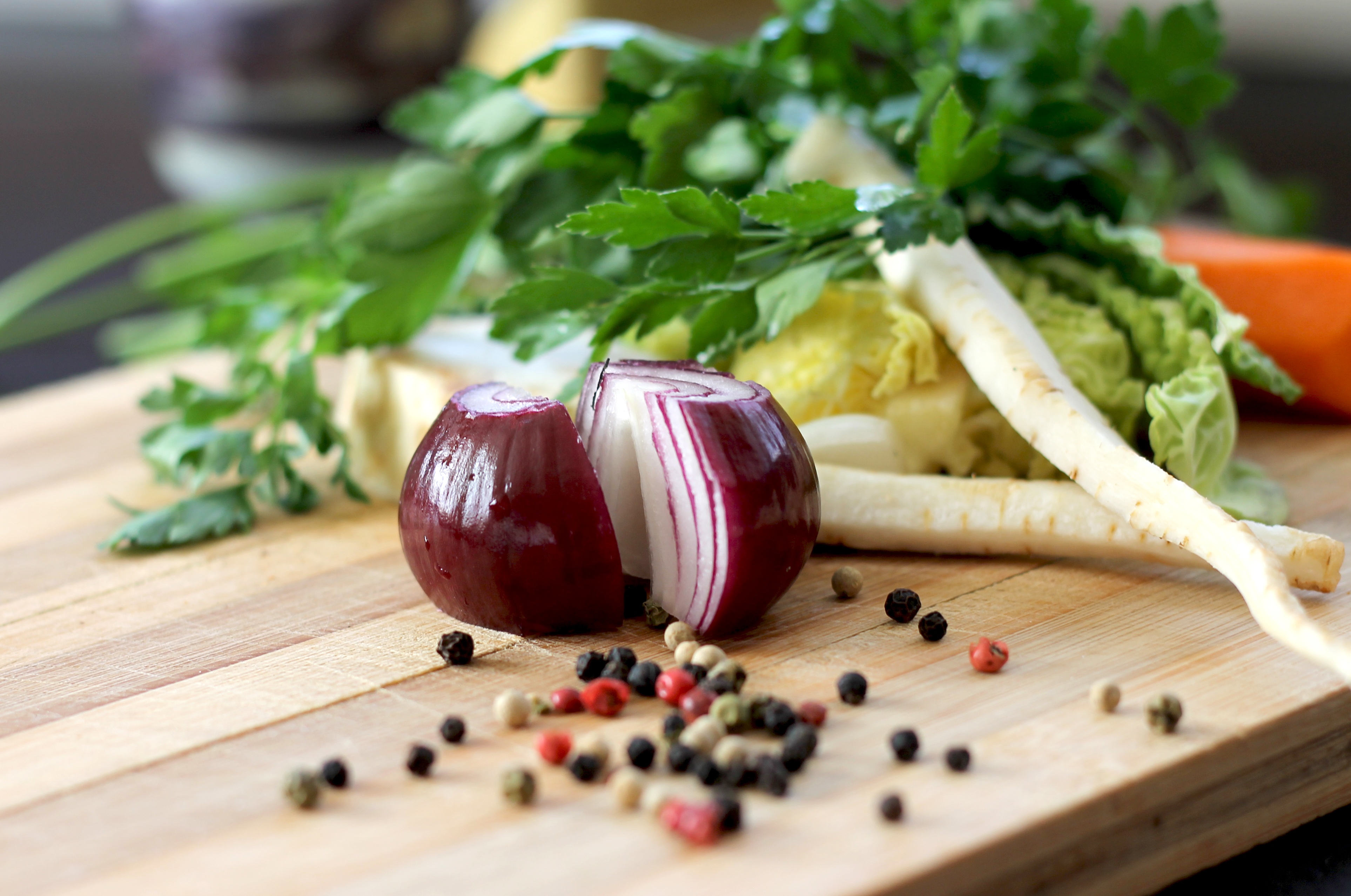
As we chopped and prepared and cooked these ingredients familiar and unfamiliar, we did something else. We saved the scraps. Instead of the tossing out the stems and ends of the vegetables, we tossed them in a sealed bag to freeze for later. Chefs in their cookbooks promised that these scraps could be used later, to make a rich and flavorful broth.

I waited until soup season arrived before I tested them on their promise.

Gathered before me on the counter were bags of scraps we had saved for months. Mushroom stems. Fennel stalks. Broccoli ends. Cabbage leaves.  All of this was supposed to make something delicious? I had my doubts.

Webvilla by Unsplash

Webvilla by Unsplash

But I followed a recipe, more or less, and sautéed the scraps in a bit of butter and added water and let the whole thing simmer on the stovetop for hours. Sometimes my favorite recipes are the ones where I can put in a little effort up front and then walk away.

It wasn’t long before the house began to fill with a pleasing aroma. I could identify some of the individual smells, the fennel, for instance. I am not a fan of licorice, but fennel has a sort of licorice fragrance that is appealing and appetizing.

When the time was up, I strained the vegetables and sure enough, I had a rich, dark vegetable broth. I couldn’t wait to make soup.

As I discarded the vegetables, I thought about how I could have thrown them away months ago. But then I would have missed out on something tasty.

And I wondered if there are other kinds of scraps in my life that I’m quickly discarding, thinking they are of no use, and maybe they just haven’t had their potential realized yet.

Some days I feel like those seemingly useless scrap ends of vegetables. Nobody looks at the ends when they’re choosing a robust green head of broccoli. It takes an experienced cook to consider the value of the stuff the rest of us would throw away. Can I also trust someone with more life experience that the stuff I want to throw away from my life might have some later value?

The homemade vegetable stock was a culinary treasure I didn’t know I was missing.

Could it be that with a little time, a little preparation, a little seasoning, the same could be said of the scraps of life?

Filed Under: cooking, faith & spirituality Tagged With: farmers market shopping, homemade vegetable stock, scrap ends of vegetables

Like looking in a mental mirror: Review of The Road Back to You by Ian Cron and Suzanne Stabile

October 26, 2016

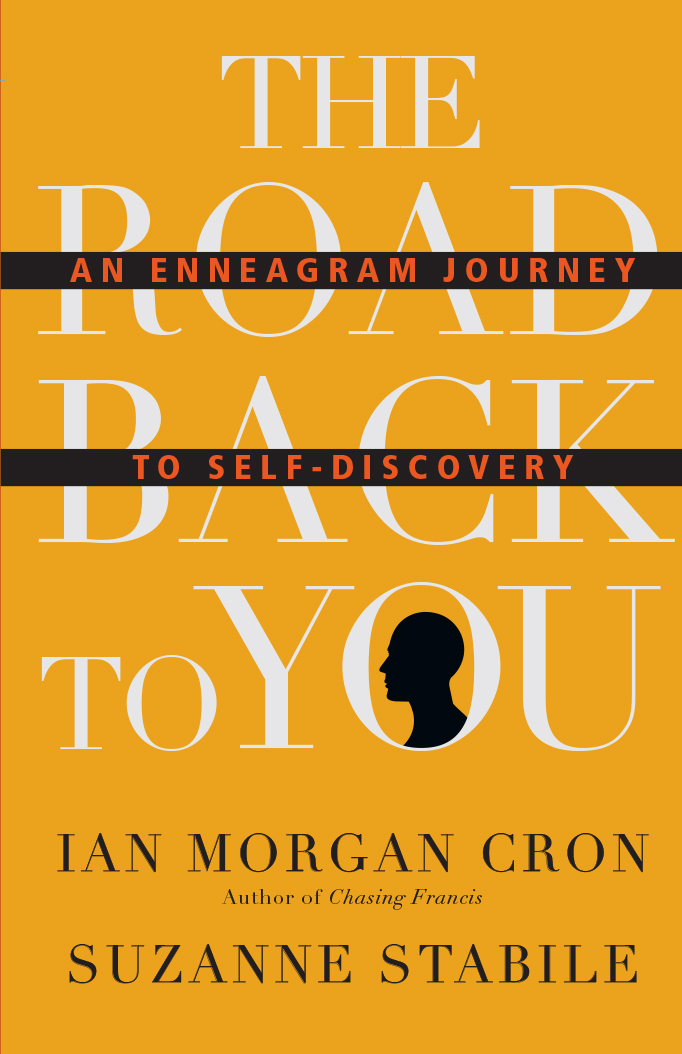
How a book can so accurately reflect the personality of the person reading it, I cannot say, but what I do know is that The Road Back to You by Ian Morgan Cron and Suzanne Stabile should be required reading for anyone over the age of 20.

Three books in recent years have made me feel this way: Quiet by Susan Cain, The Highly Sensitive Person by Elaine Aron and The Road Back to You. The difference with this book is that it’s a helpful tool for anyone, not just an introvert or an HSP, audiences to which the previous books are geared, respectively. (Disclaimer: I received a free digital copy of the book from the publisher but am in no way required to write a positive review.) rbty

The Road Back to You is all about the Enneagram, a term which might make you scratch your head. I knew little about it before this year but have found it to be the most helpful personality typing tool I’m acquainted with. Even that description falls short.

In short, the Enneagram reveals who you are at your worst and at your best. It’s based on a number system, 1-9, as follows. (Thanks to the folks at Intervarsity Press for the breakdown.)

Type One: The Perfectionist

  • Famous Ones: Hillary Clinton, Jerry Seinfeld, Nelson Mandela
  • Ethical, dedicated, and reliable, ones are motivated by a desire to live the right way, improve the world, and avoid fault or blame.

Type Two: The Helper

  • Famous Twos: Mother Teresa, Desmond Tutu, Princess Diana
  • Warm, caring, and giving, twos are motivated by a need to be loved and needed, and to avoid acknowledging their own needs.

Type Three: The Performer

  • Famous Threes: Taylor Swift, Mitt Romney, Arnold Schwarzenegger, Tom Cruise
  • Success-oriented, image-conscious, and wired for productivity, threes are motivated by a need to be (or appear to be) successful and to avoid failure.

Type Four: The Romantic

  • Famous Fours: Vincent van Gogh, Thomas Merton, Amy Winehouse
  • Creative, sensitive, and moody, fours are motivated by a need to be understood, experience their oversized feelings, and avoid being ordinary.

Type Five: The Investigator

  • Famous Fives: Stephen Hawking, Dietrich Bonhoeffer, Bill Gates
  • Analytical, detached, and private, fives are motivated by a need to gain knowledge, conserve energy, and avoid relying on others.

Type Six: The Loyalist

  • Famous Sixes: Ellen DeGeneres, George H. W. Bush, Frodo Baggins
  • Committed, practical, and witty, sixes are worst-case-scenario thinkers who are motivated by fear and the need for security.

Type Seven: The Enthusiast

  • Famous Sevens: Robin Williams, Wolfgang Amadeus Mozart, Stephen Colbert
  • Fun, spontaneous, and adventurous, sevens are motivated by a need to be happy, to plan stimulating experiences, and to avoid pain.

Type Eight: The Challenger

  • Famous Eights: Martin Luther King Jr., Muhammad Ali, Angela Merkel
  • Commanding, intense, and confrontational, eights are motivated by a need to be strong and avoid feeling weak or vulnerable.

Type Nine: The Peacemaker

  • Famous Nines: Pope Francis, Barack Obama, Renée Zellweger, Bill Murray
  • Pleasant, laid back, and accommodating, nines are motivated by a need to keep the peace, merge with others, and avoid conflict.

What is fascinating about the Enneagram is the variation each of these types can have. Personality and behavior are affected by the neighboring numbers, called wings, and each number reflects another number in times of stress or in times of security.

That all sounds complicated but as you explore the Enneagram, it becomes crystal clear. At least, that was my experience.

Cron and Stabile make this accessible through personal examples using stories from people in their families or friends. They also co-host a podcast of the same name where they talk to people about their Enneagram number and how that plays out. That’s the way I discovered what my number was.

After reading this book and listening to the podcast, I see things about my life and the way I react to the world around me in a new way. Discovering your place on this chart and how it uniquely plays out in your life is eye-opening. It’s hard to unsee once you see.

A word of caution: the Enneagram is a tiny bit addicting. While I was reading, I was assigning type numbers to people I know, and my husband is probably tired of me talking about my actions in light of my Enneagram number. You can go overboard with it, but it’s meant to ultimately be a tool for transformation, not an excuse to shame or typecast anyone else.

The purpose of the Enneagram is to show us how we can release the paralyzing arthritic grip we’ve kept on old, self-defeating ways of living, so we can open ourselves to experiencing more interior freedom and become our best selves.” (p. 36)

I could list dozens of quotes from the book to try to convince you to buy it, but I think the best starting point if you’re unsure is the podcast. Listen to the first couple of episodes to get a feel for the Enneagram. Or, if you have more time available, check out The Enneagram episode of The Liturgists podcast. It’s almost two hours long but is a helpful overview of the Enneagram.

However you choose to, though, I encourage you to investigate the Enneagram as a gift to yourself.

(This post contains an affiliate link, which means I receive a percentage of any purchase you make. It doesn’t cost you a thing but helps maintain this site!)

Filed Under: Non-fiction, The Weekly Read Tagged With: enneagram, ian morgan cron, intervarsity press, liturgists, suzanne stabile

The kindness of strangers and friends

October 25, 2016

My daughter and I stood at a distance, not wanting to crowd the guy just trying to do his job. Although when your job is to offer samples at Costco, crowding comes with the territory.

I hate to hover, which means that the kids and I are often the last to get to the next round of samples or we end up waiting through a couple of rounds. It’s fun and sometimes sad to watch people snatch up a free taste of something they may or may not like. I’m not the aggressive sort, so we hang back and wait.

Honestly, I wasn’t sure what we were waiting for here, but my daughter spotted it and wanted it and since it was just the two of us for a change, I was saying “yes” to almost everything.

The server slid a new tray out to the front of the display and the hot fresh samples disappeared before we even had a chance to take a step forward.

And that’s when the miracle happened.

Another bystander had grabbed two samples, one for him and one for his wife, when he saw my daughter waiting patiently.

“Do you want one?” he asked her. Then to me, “Is it okay?”

I nodded “yes” and he gave my daughter one of the samples. Then he looked at me and said, “Did you want one?”

I usually decline if there aren’t enough to go around because honestly it doesn’t matter much to me. Or maybe it does and I just don’t want to be a source of conflict. I declined, saying, “That’s okay” but he insisted.

“Go ahead,” he said, handing over the second sample, leaving him empty-handed.

“Are you sure? Thank you so much. You might be the kindest person I’ve ever met here.”

No offense to anyone who works or shops at Costco but the vicinity of any sample table at Costco is not a place where I usually see kindness, much less receive it.

Minutes later, after we’d finished our sample of burrito and salsa and checked out another sample, the man and his wife were still waiting for their turn, and gratitude overwhelmed me.

It was the second time that day we had been the beneficiaries of sacrificial generosity.

Evan Kirby via Unsplash

Evan Kirby via Unsplash

—

A few hours earlier, the kids and I had stopped at the grocery store, trying to squeeze in a quick trip before my son would join some friends for a birthday party he’d been invited to on short notice. Our Saturday was packed tight with errands and cleaning in preparation for some friends coming over, and I was stressed to the max. I had already yelled once that morning because I just couldn’t see how we’d get everything done in the hours we had.

I needed to get in and out of the grocery store so we could deliver my son on time.

By the time we pulled in to Aldi, we had an hour to get in, get our groceries, and get home before the birthday boy’s dad was coming to pick up my son. We found everything we needed in a relatively short time, but there were four Amish women, each with a cartload of groceries ahead of us, so the line moved more slowly than I would have liked. A second lane opened with a first-time checker, but since we didn’t have a cart full of groceries, it went smoothly. We bagged everything and as we headed out of the store, I started digging for my keys in my bag.

They weren’t there.

I searched again, hoping I’d just missed them in the clutter.

Still, nothing.

I tried to keep calm as I told the kids I couldn’t find my keys and that we were first going back to the van to check to see if they were in there. If not, we’d backtrack and hope I had dropped them.

Sure enough, they were sitting on the cup holder inside the locked van.

Now was the time for panic.

I couldn’t remember ever having done this before and I wasn’t sure what to do. My husband was at work. He had the other set of keys. We only have one vehicle, so it’s not like he could have run them to us. I texted him first just to let him know of our dilemma. The wind chilled us on the coldest day of the week as we huddled near the van with our grocery cart.

Not knowing what else to do, I started dialing people from our church. I started with people who lived nearby and might be home on a Saturday. No one answered the first two calls, but on the third one, I connected with someone who was home and willing to come to our rescue. I thanked him, and we hunkered down to wait.

My son was worried about making his birthday party so I got on the phone with his friend’s mom and explained our situation and we worked out a solution. I figured our church friend would take us home and my son could be picked up for his party and then my daughter and I would figure out how to get back to the van from there.

This was our plan until our friend showed up. The kids scrambled into the van to warm up and I transferred our groceries. I sat in the passenger seat with a sigh and then it dawned on me: I couldn’t get into the house either. All of my keys were in the van.

So, I asked our friend if he would mind driving us to my husband’s workplace to pick up the extra set of keys and then bring us back to Aldi to get the van. He graciously agreed, and I let my husband know we were on our way.

I wish that was the end of the story.

It is October and we live in Amish country, plus it was a Saturday, so what I’m trying to tell you is that our backroads “rush hour” happens when these factors align. Our trip to my husband’s workplace in the heart of Amish country was slow going. But we got the keys and headed back toward the grocery store.

A few minutes into our return trip, my daughter said, “Mommy, my tummy doesn’t feel so good.” She has a history of motion sickness that we think she’s growing out of, but the car was warm and the traffic was stop-and-go and all she’d had for breakfast hours before were apple slices. I calmly asked our driver friend if he would pull over.

My daughter got out of the car, took some deep breaths of the cool air and let her stomach settle. She was refreshed and thought we could continue our journey. We lowered the temperature in the van.

But a few more miles down the road, her face paled and showed red splotches. She was not going to make it this time. Had we been in our van, I would have handed her the plastic bags we keep for just such an emergency. But we were not in our van. Our van was sitting in the parking lot of a grocery store with the keys inside. So, I did the only thing I could think of that would prevent her from puking all over the inside of our friend’s van (which might have killed me from embarrassment had it happened). I asked her to puke into her sweatshirt that she had taken off.

And she did.

By the time we reached our van, I was ready for the whole day to be over. And hoping this was the low point.

We transferred everything back to our van, thanked our friend again, and headed on our way. We pulled into our driveway just in time to meet the birthday boy’s dad, and in seconds, my son was on his way. My daughter and I regrouped at home, then got on with our day.

14563287_10154051452281696_4314337096145777967_nWhich included a girls-only trip to Panera for lunch. That was already in the works before the keys-locked-in-the-van fiasco, but it was the best decision after a morning that did not go according to any kind of plan.

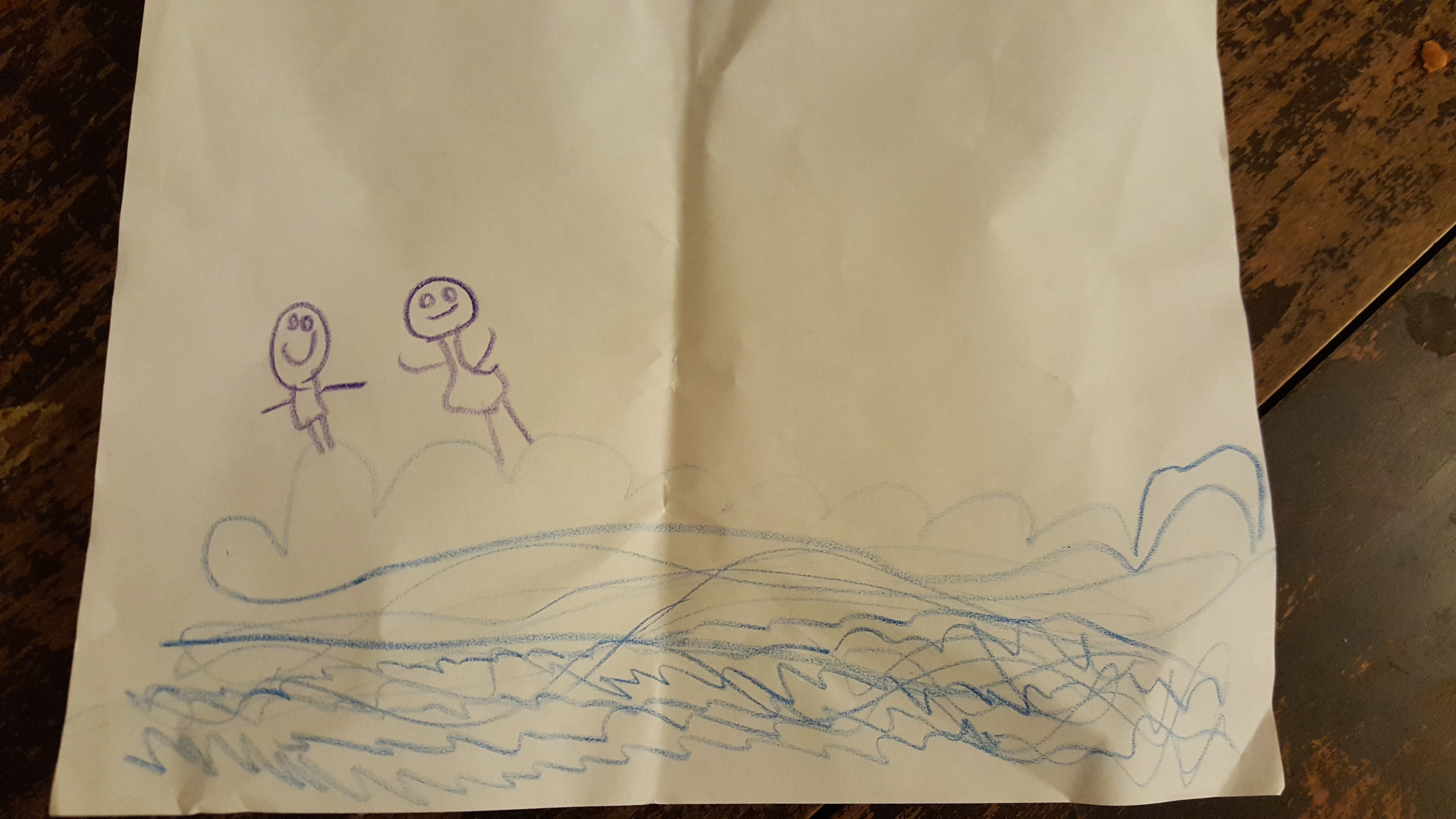
Surprisingly, that detour was the very thing I needed to calm down about the rest of the day. Our quick trip to the store turned into a two-hour adventure, so there was no possibility of getting everything done. I had to scale back my plans and just do what was necessary.

It was a lesson I didn’t know I needed.

—

The other lesson I didn’t know I needed was the one about kindness. I aim for kindness. Usually. When it suits me. When it doesn’t cost me anything. I can allow someone ahead of me in the grocery line when I’m in no hurry, but if I’m stretched for time, forget it. I might let someone else get a sample at Costco, but only after I’ve calculated whether there will still be enough for me and the kids. Otherwise, I’m no better than those who hover. I don’t want to take someone else’s turn, but I sure don’t want to give up my spot, either.

And I have to wonder how I would have responded if I had been the one called. If someone needed me to come pick them up and take them to get their extra set of keys. I’d love to think I would have said “yes” without hesitation. But I know myself. I know that even if I did say “yes” it would be reluctantly, counting what it would cost me in gas and time and inconvenience.

That, there, is the hard truth: I am consistently kind when it is convenient.

If kindness carries too high a price, I will not automatically say “yes.”

(I should note that it’s not always my job to say “yes” to every need, either, but I say “no” much more than I say “yes,” and that is not okay.)

Kindness that costs me nothing is still of value in a world where everyday kindness is scarce. But kindness that actually costs me in the way of time or energy or gasoline, well, that’s a variety of kindness even rarer in this world, and I saw it twice in one day–once from a stranger and once from a friend.

Joshua Clay via Unsplash

Joshua Clay via Unsplash

And this I think is the third lesson: Sometimes it is easier to be kind to strangers and sometimes it is easier to be kind to friends, but on that Saturday, I needed both and was encouraged by both. So, when I feel the urge toward kindness, I need to yield to it.

Because maybe there’s someone having a rough day on the inside but holding it together on the outside and maybe a small act of kindness will be the one bright spot in their day. Or maybe there’s a bigger, more obvious kindness to pass along and it will be a message of hope delivered straight to their heart.

And even if it is neither of those things, can kindness ever be the wrong move?

Have you ever experienced the kindness of strangers? What about friends? How do you respond to being the recipient of kindness? And how do you deliver kindness?

Filed Under: Children & motherhood, Friendship Tagged With: costco samples, keys locked in car, kindness, plans going awry

The lure of the American Dream

October 20, 2016

“How do you buy a house in America?”

She passed me her phone displaying the question in English beneath the Arabic words. My fingers hovered over the keyboard on my phone as I considered how to reply.

The woman and her daughter sat next to me in a stuffy upper room of an old church, newly arrived in the United States, refugees from Iraq.

Iraq. The place I read about in the news. The place where, even as we sat safe and secure in a city building, is at war. The place my husband spent a year on a military base. A place I can’t begin to imagine.

“America is beautiful,” she told me as we earlier tried to talk about what she spent money on Iraq. Our poor attempt at communication left me with the understanding that she hadn’t needed to pay for much. Or that there wasn’t much she could buy anyway. Maybe I misunderstood.

“You need to get a loan from a bank,” I finally typed back on my phone, the Arabic characters displaying on my screen in what I hoped was a clear answer.

“How do you get a loan?” she typed in reply.

I typed out a short answer about applying to the bank, paying bills on time and having a good job.

“Houses cost a lot of money,” I typed. “Thousands of dollars.”

She pressed me for how many thousands so I ventured a guess, one that disheartens me. I underestimated by a lot, knowing that even a low number could be discouraging. We calculated the equivalent in Iraqi dinar, an incomprehensible amount to my brain.

“Ah. Okay,” she said.

And that was that.

—

A lot of the refugees I meet have this goal: to buy a house of their own. They rent houses and apartments in our city and many of them dream of getting out into the country.

Confession: I am not unlike them. Phil and I will be married 10 years next year and we have rented apartments or homes in that entire time.

I want to buy a house. And even to us, it seems almost out of reach. Income is one of many factors, and we have one full-time job and one part-time job in our household. I don’t know if I’ve ever truly latched on to The American Dream, and if I have it seemed a reasonable goal. Shouldn’t getting an education and working hard lead to dreams come true? (I know it’s more complicated than that.)

I wonder how this American Dream in the Land of Opportunity looks to refugees. And how does it live up to their expectations? How does it fail?

One of the most common observations refugees make about our country is how expensive everything is. Here, we pay for a house, utilities, transportation, food, clothing, Internet. It is not the same in these countries, and sometimes that is because of life in the refugee camps, where food and clothing are provided through humanitarian organizations and other things are unavailable or also provided in limited quantity.

The closest comparison I have is when I moved into my first apartment after college back in my hometown. Until that time, most of what I needed had been provided by my parents. We didn’t have a lot but we always had enough.  Less than a year after starting my first full-time job, I was in an apartment with a roommate and my very own bills to pay. It can be a bit of shock to discover what it costs to heat a home or use electricity or gas up the car.

—

It is not only refugees who face these kinds of circumstances. I know legal immigrants who live here and cannot find jobs in their field so they end up working second shift cleaning a school or housekeeping at a hotel. Or they have a legitimate background in a scientific field but cannot find anyone to hire them. Some of the refugees have medical backgrounds. They teach us when we try to teach them about disease prevention.

Sometimes there is a language barrier, sure, and sometimes it is a scheduling problem with childcare or the school day.

So, I wonder sometimes if the American Dream is a letdown.

Maybe we oversell it.

I love the opportunities we have in this country and I love that we are mostly a land where children can go to school in safety. Where we do not have to worry about bombs falling in our neighborhoods or dictatorial rulers. I think we have a lot to offer people from other countries where this is not the case.

I just think maybe we need a reality check on what the American Dream really is and how attainable it is. Even some who are born and raised here in the United States do not have a guarantee that they will achieve the American Dream.

—

I don’t know where exactly this mother and her daughter are from, but as we sat in that upper room of a downtown church, half a world away, a military offensive began in Iraq to free its second-largest city from the control of militants.

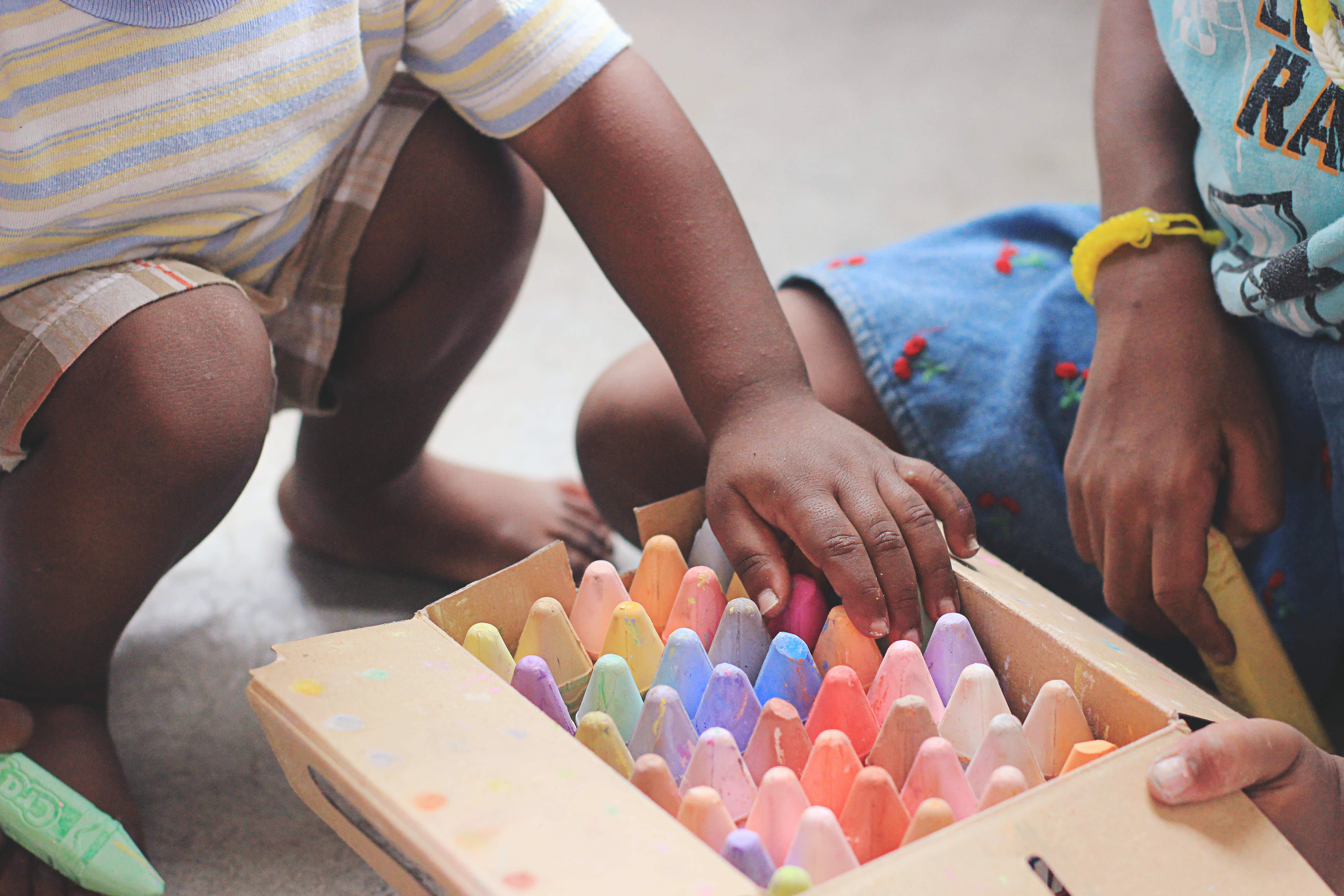
And the little girl colored pictures.

picture

Maybe the American Dream is flawed. But the little girl smiled at me as she drew and colored while we taught the grown-ups about finances. She left early with her mom for a dentist appointment.

I don’t want our country to fail her.

My biggest struggle when I work with refugees is to find a balance between hope for the future and reality of the present. Settling in to American life can be a long walk uphill, but so many of these men and women have already traveled great distances, literally and figuratively. I believe they can persevere here.

But they can’t do it alone, and that’s why I’m there on Tuesdays when I could be other places.

To make the transition a tiny bit easier if possible.

And to cheer them on to the kind of future we all want for our kids and families:

Better.

Filed Under: Refugees Welcome Tagged With: Iraq, mosul, refugees welcome, the american dream

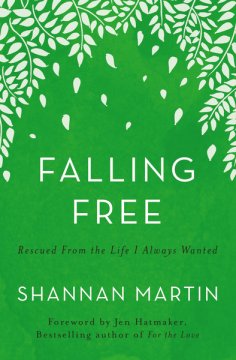
The book I was afraid to read: Review of Falling Free by Shannan Martin

October 19, 2016

To me, the scariest books to read aren’t the ones that conjure up the most horrific scenarios meant to thrill and terrify us. Nope. The scariest books I read are the ones that challenge me to do something difficult, or at the very least, outside of the comfortable world I’ve created for myself.

falling-freeThat’s the kind of book this is. Falling Free: Rescued from the Life I Always Wanted by Shannan Martin is a book I would only recommend if you are willing to re-evaluate the status of your life. If not, I’d advise you move along. (And while I did receive a free copy of this book from the publisher, my review reflects my opinion only and a positive opinion was not required.)

Martin was living her dream life in a cute farmhouse with her family surrounded by acres of land, full of friends and church family (she used to be known as the Flowerpatch Farmgirl) when that life began shifting in ways they didn’t expect. And it opened them up to so much more.

They gave up the farmhouse and moved into the city, a change that seemed all wrong from the outside: wrong side of the tracks, wrong schools, wrong job. They took a chance that God was serious about less being more, and they’ve discovered that He is true to His word. But it’s a struggle to get there. Martin writes:

In order to live an abundant life, we will lose before we gain. We will be last so he can be first, but no worries, he won’t forget in the end. God promises us gifts of loss and less, and though we know all his promises are for our good, we resist them. (p. 101)

And just because God is in it doesn’t mean it’s been easy. As the Martins moved into the neighborhood and began to open their lives to their neighbors and eventually the men in the jail where her husband is a chaplain, they learned the truth about community. Martin writes:

Community, in its purest form, is anything but pure. It’s noisy. Inconvenient. It demands we com to painful terms with the persistent cultural lies of independence and self-sufficiency, both of which run contrary to the gospel. … To be in community is to be painfully aware of our own unlovability but to offer ourselves anyway. Community simply can’t share space with masks or props. (p. 123)

Falling Free is Martin’s personal story of having her eyes opened to the world around her, but it’s also a challenge for the rest of us to see our lives anew. In the book, she doesn’t lay out a step-by-step plan for everyone to follow exactly in her family’s footsteps. But she does invite us to see in a different way.

One encounter with God’s sovereign love and consuming power can change your heart’s desire on a dime … It doesn’t mean it will be easy or simple or that there won’t be some mid-grade anxiety. There’s a difference between being too scared to do hard things and doing hard things scared. Communing with the God of the universe will inspire all kinds of unscripted movement and giant leaps past “normal.” It’ll make surrendering seem like the safest way. (p. 82)

There’s so much to digest in this book that a once-through isn’t enough. Beyond just reading Martin’s words and calls to step away from comfort, though, I want to live it out.

Falling Free probably won’t leave you feeling satisfied or calm. It might make you angry, defensive or scared. I think that’s okay. Just know that reading it might make you squirm and set you on a new path for life.


Filed Under: books, faith & spirituality, Non-fiction, The Weekly Read Tagged With: abundant life, booklook blogger program, less is more, shannan martin, thomas nelson

October baseball (and holding on to hope)

October 12, 2016

We closed the windows in the house this week. We haven’t yet turned on the heat, but there’s a noticeable chill in the air when we walk out to the bus stop each morning. Our breath is visible as we exhale in the natural rhythm of life.

October is a magical time. The shifting of seasons can’t be denied. (At least, not if you live in a place that has four seasons. I’ve never lived anywhere that didn’t.) Temperatures drop. Sweatshirts are added to the wardrobe. And pumpkin everything takes top billing on menus and grocery shelves. Football is king.

Joey Kyber via Unsplash

Joey Kyber via Unsplash

But it’s also the time of year when hope begins to bubble up anew. At least it does if you’re a baseball fan. (And if you’re not a baseball fan, I hope I won’t lose you here.)

My husband and I are lifelong Chicago Cubs fans. In case you miss the significance of that statement, let me clarify: We have waited our whole lives, and our parents have waited their whole lives, for this team to make it to the World Series. October baseball beyond the last weekend of the regular season is never a guarantee, so when it happens to your team, it’s like the beginning of the season all over again.

Read the rest of this post over at Putting on the New, where I write on the 12th of every month.

Filed Under: baseball, faith & spirituality Tagged With: baseball, putting on the new

First Friday Five {October}

October 7, 2016

A while back, I was publishing posts on Fridays listing five of something. (You can read some of those here, if you’re interested.)

I miss that, a little bit, so I’m bringing it back. Sort of. I can’t commit to it weekly, so let’s try it monthly. On the first Friday of every month (okay, most months), I’ll list five things I’m loving at the moment. It might be books or music or TV or food or I don’t know. At the very least, you’ll get to know all my quirks!

Here we go, then.

first-friday-five-oct

  1. Jane the Virgin. Right away, I’ll just let you see my guilty pleasure Netflix show. It’s based on a telenovela, and it is hilarious. I’m almost embarrassed by how much I love this show (and even more embarrassed to tell you how quickly I watched season 2 once the kids went back to school.) Jane, the lead character, is a writer, and the show is one of the best examples of cliffhangers from one episode to the next that I’ve seen. I’m debating whether to watch season 3 in real time.
  2. The Enneagram. The what? I know. Say it with me: Any-a-gram. It’s a personality inventory, I guess is the best way to describe it. Like the Myers-Briggs only not at all. The Enneagram evaluates personalities on a number system, 1-9, but it’s so much more than that. I read a book about it earlier this year and kind of forgot about it, then one of my favorite authors co-wrote a book about it and launched a podcast, and now I can’t stop talking about it. Knowing my number and how I act or react in certain situations, as well as how I am at my worst and best, has been freeing. Any other Enneagram fans out there?
  3. Related, podcasts. I had no interest in podcasts until recently. I’m more of a visual, hands-on learner than an auditory learner, so I resist things like audio books and podcasts. But I’ve found that podcasts are basically like listening to talk radio on specific subjects, and I am now a changed woman. I have several favorites: The Road Back to You, Revisionist History and The Liturgists top my list. Two new discoveries: The New Activist and Scribble & Jam.
  4. Roasting food. The worst part about summer is not being able to use my oven when it’s so dang hot outside. (No central air in our house.) Roasting vegetables is the easiest way to get so much flavor out of all that garden goodness. And I practically swoon with giddiness when I take the opportunity to roast a whole chicken. It’s proof of my ability to behave domestically. Potatoes, vegetables, meat. Almost nothing is safe from the roasting.
  5. Older comedic actors. Ted Danson in The Good Place and Lily Tomlin in Grace and Frankie are reminding me of the comedy gold standard they have achieved in their careers. I don’t mind today’s crowd of comedic geniuses but these gray-haired actors I’ve been watching for what seems like my whole life are gems not to be forgotten.

Filed Under: 5 on Friday Tagged With: favorite things, jane the virgin, lily tomlin, monthly round up, ted danson

The issue at hand

October 6, 2016

Languages filled the air. French. Arabic. Spanish. Swahili. A world contained in a basement room. My English-only brain has a difficult time with all of them. Translation was well covered on this particular Tuesday, so I spoke the only other language I know: the language of children.

Each week that I volunteer with our local refugee community is a mystery and a surprise: who will be there? how many people? From which countries? Will anyone speak a little English?

That day, the room was full. Numerous families with multiple small children, attending one of eight required cultural orientation classes as newly arrived members of our community. It is an exhausting stretch of time for a rested adult. For children, the two hours drag on.

Playing with children is never my first instinct (you can ask my own kids) but on Tuesday mornings I will myself to do what needs to be done. So, I brought the bin of blocks out to the main meeting area. These ubiquitous colored-cardboard church blocks that look like bricks are a safe option almost anywhere. I dumped them on the floor. I couldn’t use my voice to call the children to me, so I sat on the floor and began building a tower.

Sometimes invitation needs no words.

The first child approached with cautious interest. I handed him one of these brick-blocks and he held it with two hands. A second child came close and I handed one to him. Soon, the other children took interest and eventually six children surrounded me on the floor as we built with blocks.

I could not take my eyes off of them.

Three were Ugandan/Congolese. Three were Syrian.

Children of conflict, so the news says, but that morning they stacked blocks as tall as they could reach and higher (with my help) before the little boy with mischief in his eyes knocked down the tower. I have one son, so I also speak the language of boys and even though we could not communicate with words, we were having fun.

We did this again and again. Build the tower tall. Knock it over. Repeat.

We attempted variations stacking the blocks vertically until they toppled. We built a “road” stretching the blocks from one side of the room to the other. My favorite was when we arranged the blocks into a rectangle, and three of the boys sat down inside the rectangle. Two Ugandan, one Syrian, and they sat inside the block shape as if they were lifelong friends.

I wanted to snap a picture but my phone was across the room, and I would have needed to ask the parents’ permission and language was already a barrier. I captured the moment in my mind. I hope you can see it, too.

What impressed on my brain was how these children played. Like any child anywhere. I could have been playing with my own children at that age. There was no difference.

Photo by Tina Floersch via Unsplash

Photo by Tina Floersch via Unsplash

Later, we walked through the city to the market, our bi-weekly adventure to introduce the newly settled refugees to the fresh produce and food offerings at the indoor farmers’ market.

The youngest Syrian boy ran circles around his family until the father finally picked him up and slung him over his shoulder. I could not keep the smile from my face, for my husband would do the same when our son got rowdy or restless. The boy laughed and squirmed and the father kept at it as we walked. The girls took turns holding hands with their mother and each other and sometimes their father.

I offered my hand to one girl and she took it as we passed through the streets. We all stopped to watch the water squirt up from the ground in a splash pad/fountain near the courts building. The children watched in awe. Their restraint at not jumping into the water was admirable.

A Congolese couple took turns taking pictures in front of this building, proof of their new life in the United States. Their smiles, they are contagious, and already I feel they are my friends. I would greet them on the street or anywhere in public.

We are only a few blocks from the market when the young Syrian boy slaps me on the lower back, either to get my attention or because it is what mischievous little boys find funny. I offer him my other hand, and he takes it, and I walk this way for the remaining blocks, holding the hands of two Syrian children, exchanging smiles with their mother, laughing with the father, as if all is right with the world.

Photo by Kazuend via Unsplash

Photo by Kazuend via Unsplash

Yet as I hold the hands of the children I cannot shake from my mind the images of war I have seen from their country. The children dead or injured. The weeping parents. The desperation and relief of those who have taken the risk to leave and who make it to another shore. I both want to know and don’t want to know which of these is part of this family’s story.

This girl with the pigtails, skipping down the street, her hand in mine is the global refugee crisis in the flesh.

This boy with his antics so much like my son is the issue everyone is talking about, and I can feel his small hand in mine.

A week later we gathered in a different room in a different part of the city. Fewer children were present but two of the Syrian children and one of the Ugandan children were there. They begged me with their eyes for paper and colored pencils and they scribbled on scraps, delighted to be doing something. They tapped my leg, my arm, whatever they could to get my attention. They spoke to me in Arabic, their eyes wide with pleading, and I replied in English that I did not know what they wanted.

The little girl, the older sister, whispered in her brother’s ear, and it is the exact same thing I have seen my daughter do with her brother, the younger one.

We are not so different, no matter our country of origin, the language we speak, how we dress, whether our hair is covered or not.

We can talk all we want about policies and plans and provisions. We can share and react and comment on social media. We can fear and hate and protect in the name of security.

What we cannot do is forget or ignore or deny the issue at hand. Quite literally, the issue was at the end of my hand, and I will not watch the news now without thinking of these children. The lucky ones, I call them, because they are among the 1 percent of all refugees who reach resettlement.

And on a Tuesday morning in a small city in Pennsylvania, I got to hold their hands.

Filed Under: Refugees Welcome Tagged With: children, parenting, refugee resettlement, volunteer work

  • « Previous Page
  • Page 1
  • …
  • Page 27
  • Page 28
  • Page 29
  • Page 30
  • Page 31
  • …
  • Page 132
  • Next Page »

Primary Sidebar

Photo by Rachel Lynn Photography

Welcome

Hi. I’m Lisa, and I’m glad you’re here. If we were meeting in real life, I’d offer you something to eat or drink while we sat on the porch letting the conversation wander as it does. That’s a little bit what this space is like. We talk about books and family and travel and food and running, whatever I might encounter in world. I’m looking for the beauty in the midst of it all, even the tough stuff. (You’ll find a lot of that here, too.) Thanks for stopping by. Stay as long as you like.

When I wrote something

June 2026
M T W T F S S
1234567
891011121314
15161718192021
22232425262728
2930  
« Jun    

Recent posts

  • Still Life
  • A final round-up for 2022: What our December was like
  • Endings and beginnings … plus soup: A November wrap-up
  • A magical month of ordinary days: October round-up
  • Stuck in a shallow creek
  • Short and sweet September: a monthly round-up
  • Wrapping the end of summer: Our monthly round-up

Join the conversation

  • A magical month of ordinary days: October round-up on Stuck in a shallow creek
  • Stuck in a shallow creek on This is 40
  • July was all about vacation (and getting back to ordinary days after)–a monthly roundup on One very long week

Footer

What I write about

Looking for something?

Disclosure

Lisa Bartelt is a participant in the Bluehost Affiliate Program.

Occasionally, I review books in exchange for a free copy. Opinions are my own and are not guaranteed positive simply due to the receipt of a free copy.

Copyright © 2026 · Genesis Framework · WordPress · Log in